


- Facial Contouring Surgery/ Double Jaw Surgery
- Lifting & Wrinkle Surgery
- breast surgery
- Body contouring
- Male plastic surgery
- Eye plastic surgery
- Rhinoplasty
- Trauma Center
- Woori Plastic Surgery Beauty Clinic
- Woori Plastic Surgery Clinic
- Surgery Reviews
- Consultation/Reservation
- Events
- Procedure Information


 Wound Suturing
For sudden wounds, we consider not only
the initial suturing, but also the healing process afterward.
#from wounds caused by falls and impacts
#to cuts caused by sharp objects
For sudden wounds, we consider the entire process from suturing to healing
Wound Suturing
WOORI Plastic Surgery goes beyond simply closing a wound.
We assess the location and depth of the wound, as well as the condition
of the surrounding tissues, and develop a treatment plan that considers the healing process and final outcome.
※ Treatment availability and methods may vary depending on the condition of the wound and the circumstances of the day's consultation.
-

Wound Consultation & Suturing
for Children and Adults -

Same-day registration available
during consultation hours -

Walk-ins welcome without
an appointment
What type of wound do you have?
Wounds can vary depending on how they occurred, their depth, and the type of skin damage involved.
The first step in treatment is identifying what type of wound you have.
-

Abrasion
A wound where the surface
of the skin is scraped off due to
a fall or friction -
Contusion
A condition in which
bleeding or swelling occurs
beneath the skin from an impact. -

Laceration
A wound in which the skin
is torn and separated due to
external trauma. -

Incision
A cut caused by a sharp object
such as a knife or glass. -

Puncture Wound
A wound caused by a
pointed object penetrating
into the skin. -

Irregular / Torn Wound
A wound in which the skin and
underlying tissues are irregularly
torn apart due to
significant trauma.

Check whether your wound requires suturing!
Whether a wound requires suturing is not determined solely by its size.
Even a wound that appears small may require suturing depending on its depth or location.
Wounds That May
Require Suturing
- Wounds where the skin has separated and the edges cannot come together
- Deeply torn or cut wounds
- Wounds where the underlying subcutaneous tissue is visible
- Wounds where bleeding continues even after initial bleeding control
- Wounds on the face
- Wounds with irregular edges
※ Our medical team determines whether suturing is necessary by considering the cause, depth, and location of the wound, the degree of contamination, and the condition of the surrounding tissues.

Facial Wound
If you have a wound
on your face, extra care
matters.
Facial wounds require more than simply closing the wound.
The healing process and final appearance should also be
taken into consideration. We carefully assess the direction,
skin characteristics, and surrounding tissue balance.
From a plastic surgery perspective that
understands facial structure, we consider
both the wound now and how it may look after healing.
Simply stitching a wound and suturing it
with the wound's characteristics in mind are different.
WOORI Plastic Surgery does not look only
at the length of the wound. We assess the wound's location,
direction, depth, skin thickness, tension, and surrounding tissue condition,
to determine the most appropriate suturing method.
Performed by a board
certified plastic
surgeonSuturing design
tailored to the wound
structureSystematic recovery
and scar
management
Suturing Methods May Vary Depending
on the Depth of the Wound.
A superficial wound involving only the skin and a wound accompanied by deeper tissue damage require different approaches.
Depending on the depth of the wound, the subcutaneous tissue and dermal layer may first be carefully restored and stabilized,
followed by precise suturing of the skin surface in multiple layers.
-

Subcutaneous
TissueAssessment of the
condition of the deeper
tissues -

Dermal Layer
Carefully aligning and
stabilizing the tissues
inside the wound -

Skin Surface
Precise suturing
of the skin edges

WOORI Wound Closure System
Tailored Suturing & Recovery Care
-
01 Assessment of the Wound
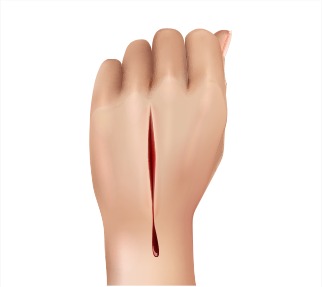
We assess the wound's location,
length, depth, and direction, as well as
contamination and the condition
of the surrounding tissues,
to determine the proper approach. -
02 Cleaning & Treatment
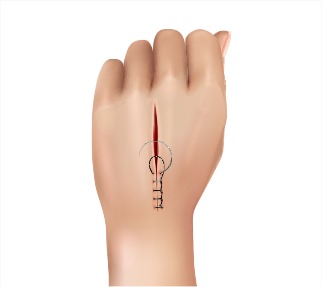
When necessary,
we check for foreign materials
and contamination inside the wound
and prepare the wound
for appropriate suturing
with careful cleaning. -
03 Customized Suturing
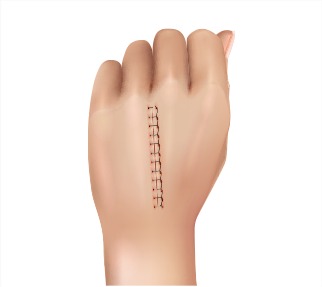
Depending on the depth and location
of the wound and the tissue condition,
we perform precise suturing
using the appropriate technique
for each case. -
04 Suture Removal & Aftercare
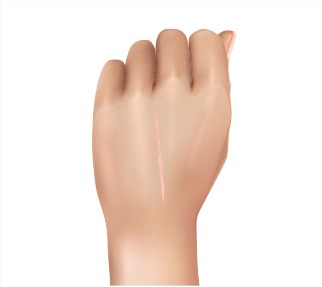
We monitor the healing process
of the sutured area and provide
systematic care from suture removal
through scar management
after the procedure.
※ The actual suturing technique and treatment steps may vary depending on the depth and location of the wound and the extent of tissue damage.

First Aid Guide
What to Do Before Coming to the Hospital
-
STEP 01
Apply Pressure to
the Bleeding AreaApply direct pressure to the wound
using clean gauze or a clean cloth. -
STEP 02
Keep the Wound Clean
and ProtectedCover the wound with clean gauze
or similar material to minimize
further contamination. -
STEP 03
Have the Wound Assessed
PromptlyIt is recommended to have
a medical professional determine
whether the wound requires suturing.
Do you have a new wound?
The availability of treatment and the appropriate treatment method may vary depending on the location and condition of the wound.

Check Before Visit
Not All Wounds Are Treated at Our Center
The WOORI Plastic Surgery Wound & Scar Center primarily provides suturing treatment for wounds involving the skin and soft tissues.
In the following cases, treatment at an emergency department or an appropriate specialized medical facility may be prioritized.
※ Providing a photo of the wound, the time of injury, and the cause of the injury can help us provide guidance before your visit.
- Suspected fracture
- Severe or persistent bleeding
- Loss of consciousness or severe head trauma
- Suspected nerve, blood vessel, or tendon injury
- Severe crush or amputation injuries
- Extensive or deep burns

From Wound To Scar
From the Moment a Wound Occurs
To the Time a Scar Remains
The fact that a wound has healed does not necessarily mean that all treatment is complete.
At WOORI Plastic Surgery's Wound & Scar Center,
we view the entire process as one continuous treatment journey
from initial wound suturing immediately after the injury to the scar that may remain after healing.
Why WOORI Wound Closure
Why WOORI is different
-
Plastic Surgery Perspective
We assess the wound's location, depth,
and direction, as well as the condition
of the surrounding tissue. -

Customized Suturing Design
We plan the appropriate suturing technique
based on the unique depth and tissue
condition of each wound. -

Systematic Recovery Care
From dressing changes and
follow-up monitoring after suturing
to suture removal, we provide
step-by-step care. -
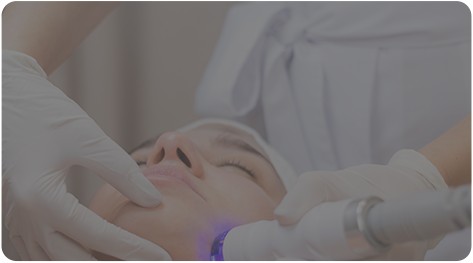
Scar Management
If you are concerned about a scar after
the wound has healed, we can continue
with a consultation for scar treatment. -
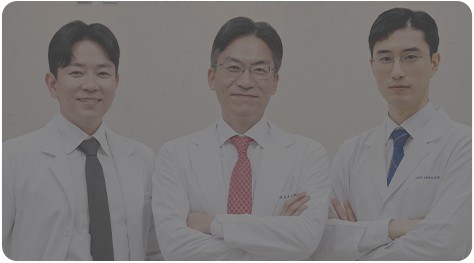
Specialist Collaboration System
Depending on the condition
of the wound, our plastic surgery
specialists work together to determine
the appropriate treatment approach. -
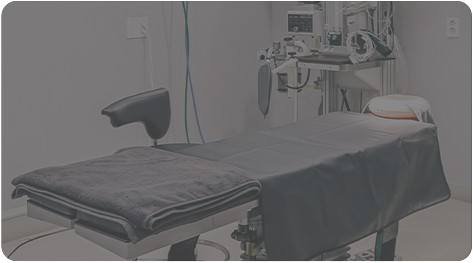
Safe Treatment Environment
We provide a stable treatment process
through an environment and system designed
to support wound healing.